Deus Venti Home

Category

Culture & Trends

19 articles

Admission to Nothing: The Gallery Experience That Sells You an Empty Room

Admission to Nothing: The Gallery Experience That Sells You an Empty Room

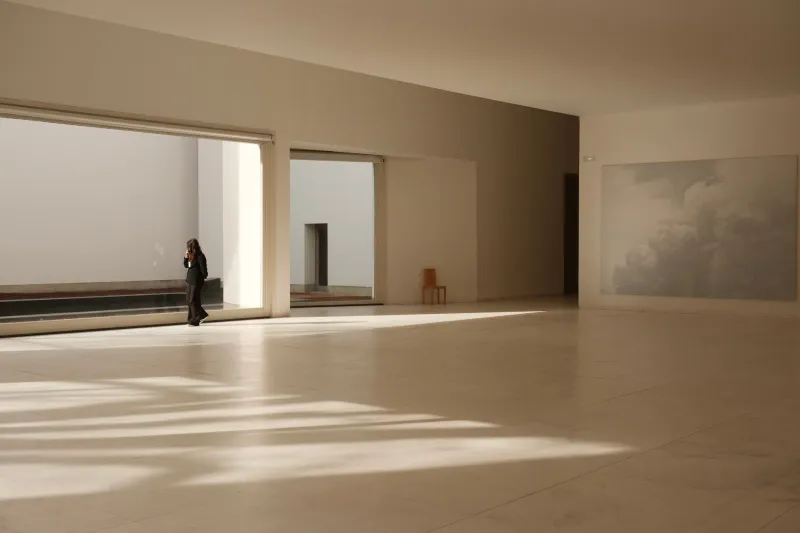
A growing number of high-end galleries are charging admission not for objects on walls but for the deliberate absence of them. As contemporary art pivots from the visual to the experiential, the empty room has become the most contested — and most coveted — real estate in the art world.
The Eloquence of Nothing: When Luxury Brands Discovered That Silence Outspells Every Slogan

The Eloquence of Nothing: When Luxury Brands Discovered That Silence Outspells Every Slogan

The most sophisticated marketing strategy in contemporary luxury is, increasingly, the refusal to market at all. A select cohort of high-end brands has stripped away advertising, social media, and even legible brand messaging—replacing the noise of visibility with the far more exclusive signal of deliberate absence. In a culture drowning in communication, silence has become the most expensive thing a brand can offer.

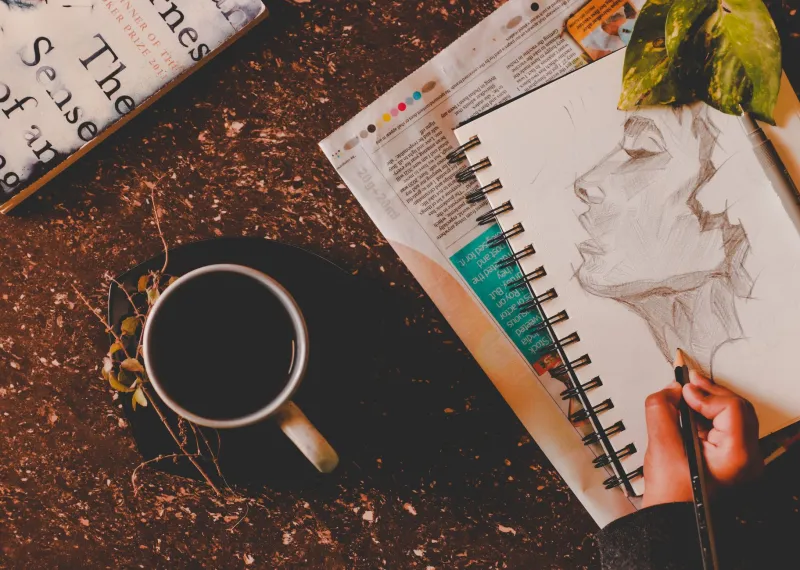
Draft as Destination: The Radical Economy of Selling Creative Incompletion

Draft as Destination: The Radical Economy of Selling Creative Incompletion

A growing cohort of artists and designers has discovered that the sketch, the failed prototype, and the unedited studio session can command prices rivaling the finished work. This is not a concession to impatience—it is a deliberate restructuring of what art is permitted to be. The process, it turns out, was always the rarest thing in the room.

The Virtue of the Unresolved: How Leaving Work Unfinished Became a Radical Creative Act

The Virtue of the Unresolved: How Leaving Work Unfinished Became a Radical Creative Act

Across studios, galleries, and recording booths, a growing number of contemporary creators are refusing to deliver the finished product — not out of negligence, but out of conviction. Incompleteness, once the mark of failure, is emerging as one of the most philosophically charged gestures available to an artist today. What does it mean to leave something deliberately open, and why does it unsettle us so profoundly?

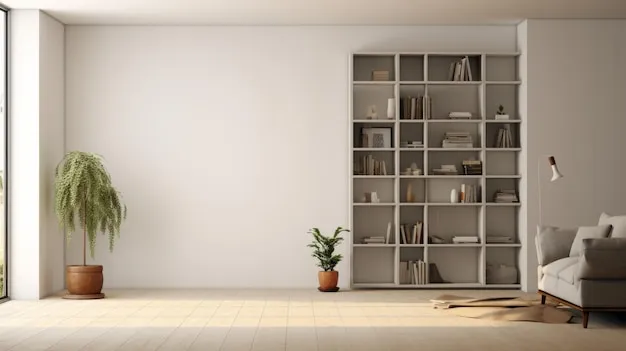
The Empty Shelf as Statement: How Refusing to Collect Became the New Collecting

The Empty Shelf as Statement: How Refusing to Collect Became the New Collecting

A quiet but consequential shift is underway among America's most culturally attuned tastemakers: the deliberate decision not to acquire. In an era defined by algorithmic abundance and frictionless consumption, the most sophisticated collectors are now being defined not by what fills their shelves, but by what never reaches them.

Seen by Almost No One: The New Luxury Power Move Is Disappearing

Seen by Almost No One: The New Luxury Power Move Is Disappearing

The most coveted brands in the world are quietly withdrawing from view — no billboards, no influencer campaigns, no flagship stores on every corner. In an attention economy that rewards volume and visibility, a handful of high-end labels have discovered that the most potent signal of desirability is the audacity to simply not show up.

The Art of Withholding: How Absence Became the Most Daring Move in Contemporary Creativity

The Art of Withholding: How Absence Became the Most Daring Move in Contemporary Creativity

Across music, visual art, and design, a growing cohort of contemporary creators is deploying emptiness not as oversight but as intention—treating silence, duration, and negative space as the sharpest tools in their arsenal. In an era defined by relentless content acceleration, the deliberate refusal to fill is emerging as one of the most quietly radical gestures an artist can make.

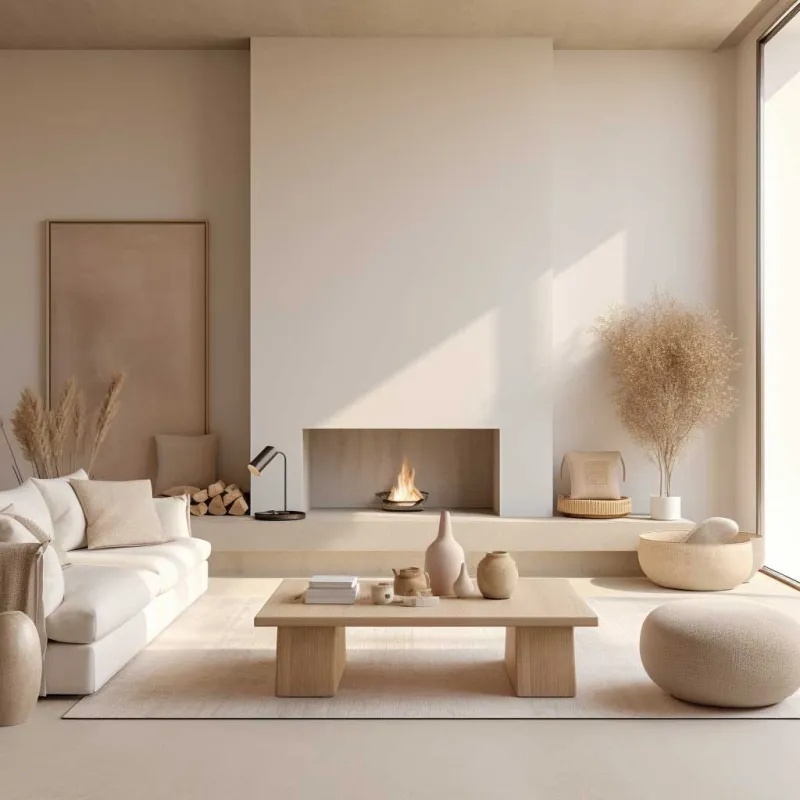
The Loudest Room in the House Is Empty: How Restraint Became the New Excess

The Loudest Room in the House Is Empty: How Restraint Became the New Excess

When doing nothing costs everything, restraint stops being a virtue and becomes a performance. The rise of quiet luxury and its muted palettes reveals a cultural paradox: the most aggressive status statement available today is the deliberate erasure of all visible effort. We examine who profits from the aesthetic of understatement, and what is lost when silence becomes the loudest currency in the room.

The Realness Racket: How Brands Turned Authenticity Into Their Most Polished Product

The Realness Racket: How Brands Turned Authenticity Into Their Most Polished Product

In an era when consumers have grown allergic to the corporate veneer, a new industry has emerged — one devoted entirely to engineering the appearance of having no industry at all. The most profitable aesthetic of our moment is not minimalism, maximalism, or any formal movement. It is the carefully constructed illusion of not trying.

The Accidental Curators: When a Following Became the New Credential

The Accidental Curators: When a Following Became the New Credential

A generation of Instagram aesthetes and YouTube essayists has quietly dismantled the institutional monopoly on taste, replacing curatorial authority with algorithmic reach. The result is a cultural landscape where a single viral post can elevate an unknown artist to gallery prominence — or consign a decade of rigorous work to irrelevance. What does it mean for art and design when the velvet rope is held by someone with a ring light and a point of view?

Designed for One: How the Algorithm's Intimacy Is Quietly Eroding Our Shared Cultural Ground

Designed for One: How the Algorithm's Intimacy Is Quietly Eroding Our Shared Cultural Ground

Hyper-personalization promised to make the digital world feel like it finally understood us. Instead, it has constructed an elaborate architecture of solitude — one interface, one feed, one aesthetic bubble at a time. As designers and cultural critics reckon with the consequences, a harder question emerges: when everything is tailored to the individual, what do we lose by never sharing the same view?

Selling You the Cure for a Wound They Helped Open

Selling You the Cure for a Wound They Helped Open

From acoustically engineered coworking lounges to subscription meditation apps, contemporary design has discovered enormous profit in the very loneliness it quietly accelerates. The aesthetic of wellness, it turns out, is less a remedy than a remarkably elegant business model. We examine how the design industry monetizes solitude while marketing itself as its antidote.

Perfectly Imperfect: The Calculated Business of Selling You Rawness

Perfectly Imperfect: The Calculated Business of Selling You Rawness

Across fashion, home goods, and luxury retail, a new industrial logic has taken hold: the deliberate engineering of imperfection as a premium commodity. What began as a genuine counter-cultural appetite for authenticity has been absorbed, repackaged, and sold back to consumers at extraordinary markups. The question worth asking is not whether this is happening, but what it costs the makers who were authentic long before it was profitable.

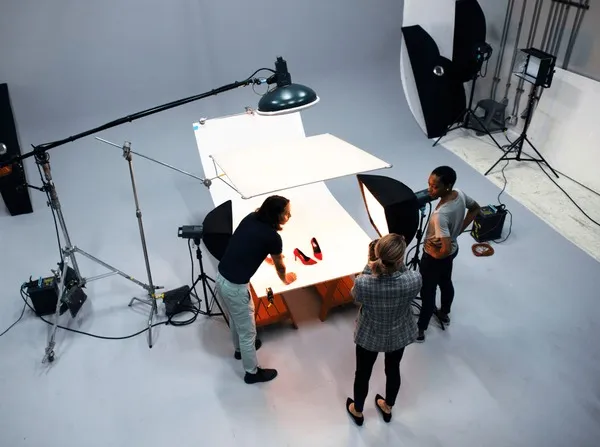
The Studio as Trophy: How the Creative Workspace Became America's Most Coveted Status Symbol

The Studio as Trophy: How the Creative Workspace Became America's Most Coveted Status Symbol

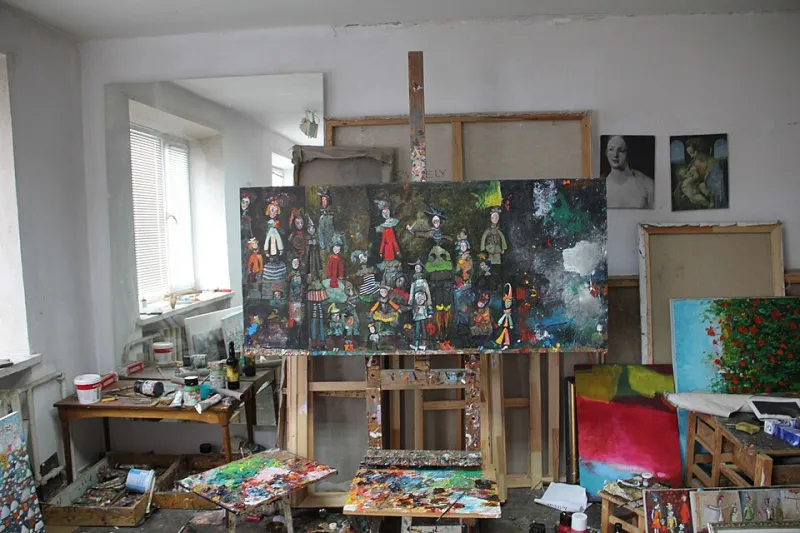
Across the country, a new kind of luxury is taking shape — not in the showroom or the penthouse, but in the paint-splattered, light-drenched studio. As wealthy collectors and creative professionals pour resources into dedicated making spaces, the artist's atelier has quietly displaced the wine cellar as the ultimate signal of cultural sophistication.

Invisible Influence: The Rise of Scent as Architecture and the New Language of Luxury

Invisible Influence: The Rise of Scent as Architecture and the New Language of Luxury

The most powerful design element in a luxury flagship today may be one you never consciously register. Olfactory design—the deliberate engineering of scent to shape emotion, signal status, and manufacture belonging—has become one of the most sophisticated and least scrutinized tools in the cultural arsenal of high-end brands. A closer examination reveals that what your nose knows about wealth and identity runs considerably deeper than any logo.

The Ghosts We Keep: Why Gen Z Is Resurrecting the Design Movements Modernism Left Behind

The Ghosts We Keep: Why Gen Z Is Resurrecting the Design Movements Modernism Left Behind

Brutalism is trending on TikTok. Postmodern pastiche is appearing on indie fashion runways. Art Deco ornament is back on the walls of apartments belonging to people born after the millennium. Something peculiar is happening in the cultural imagination of younger Americans — a wholesale excavation of the design movements that the 20th century either dismissed too hastily or buried too soon.